[New post] Piccowaxen Middle School Students Learn About Solar Energy in Unique Science Experiment
David M. Higgins II, Publisher/Editor posted: " In Victoria Farrell's eighth-grade science class, students had an unusual task for their lesson on thermal energy: design and construct a solar box cooker using materials like pizza boxes and aluminum foil. The project was part of a theoretical trip t" The Southern Maryland Chronicle
In Victoria Farrell's eighth-grade science class, students had an unusual task for their lesson on thermal energy: design and construct a solar box cooker using materials like pizza boxes and aluminum foil.
The project was part of a theoretical trip to the moon, where the lack of an atmosphere, climate, or weather makes it an ideal place to gather solar energy.
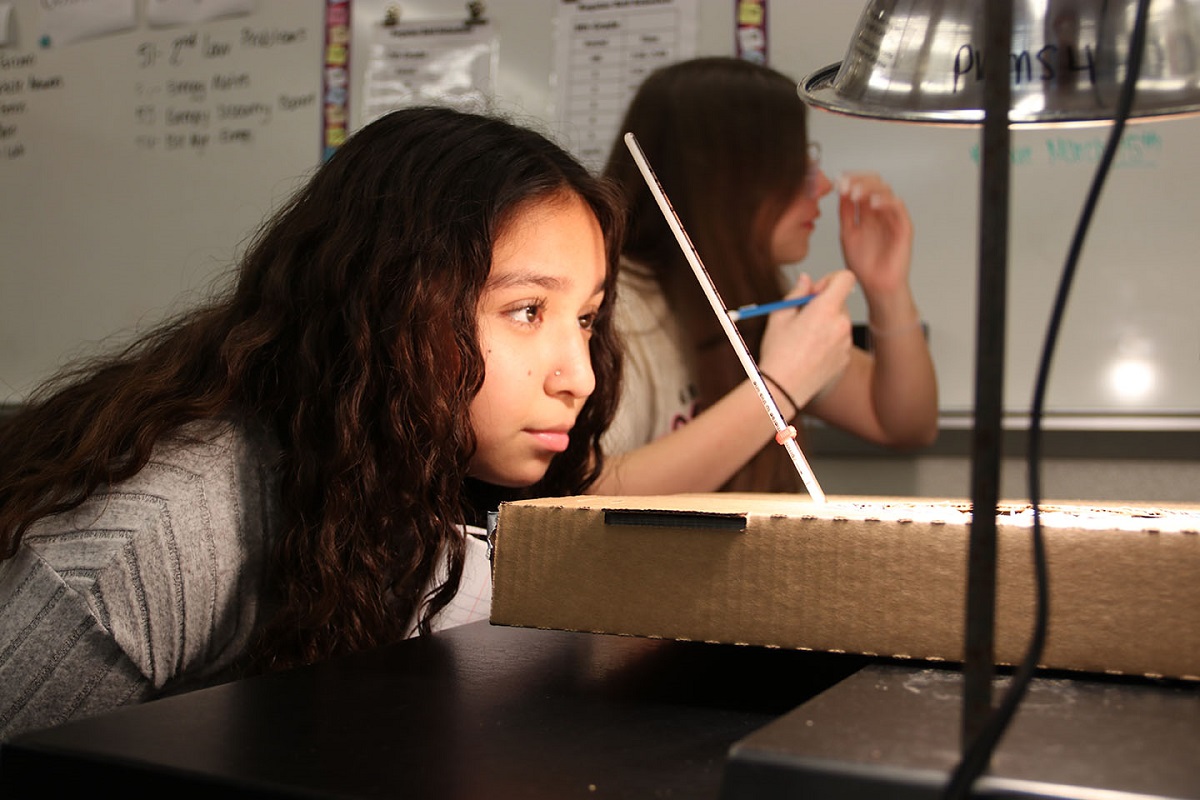
Evelyn Gomez watches the temperature rise on the thermometer for her team experiment.
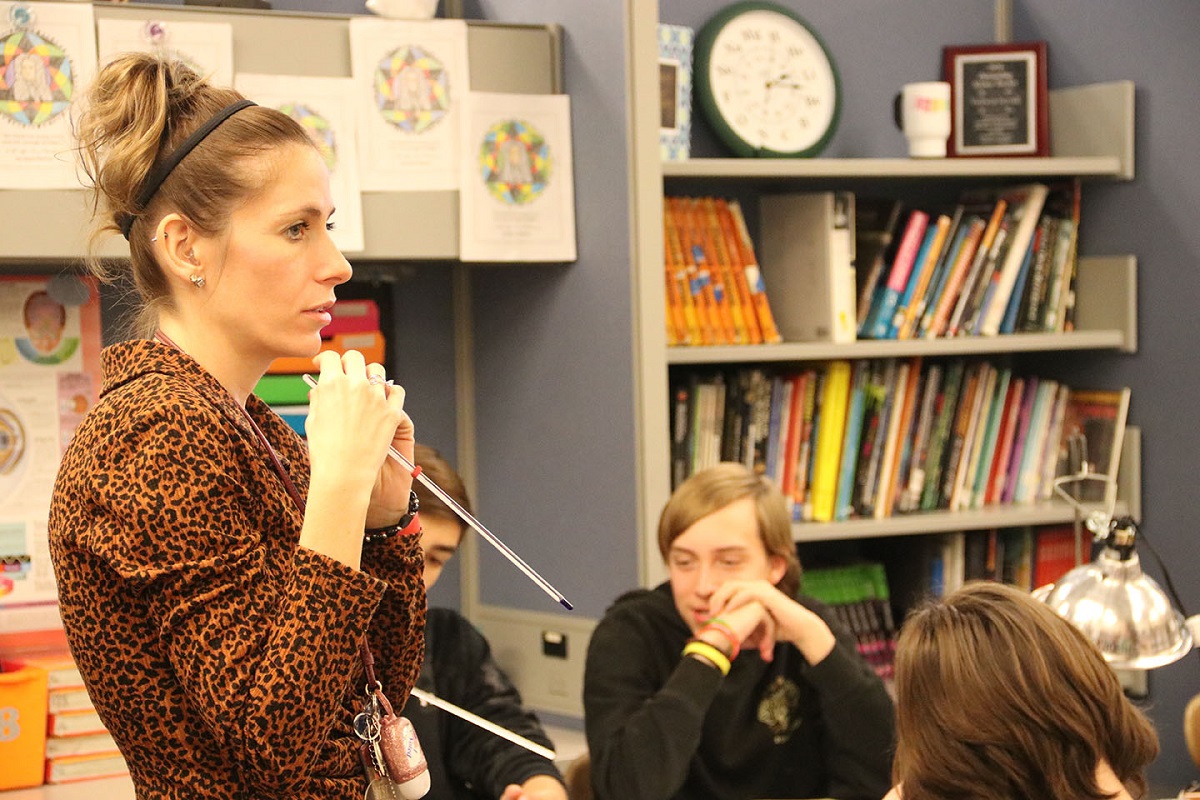
Piccowaxen Middle School science teacher, Victoria Farrell, discusses the importance of tracking temperatures with a thermometer before the class tests out theories about their solar ovens.
Eighth graders Kiley Grollman, left, and Leah Buck, use a stopwatch to keep track of how long it takes for a light bulb to heat up their solar oven.
Teams of students worked together to reflect and concentrate lamplight inside the solar box cooker, which would convert the light to heat and trap it inside the box. The goal was to warm a s'more enough to melt the chocolate and soften the marshmallow. The temperature inside the box needed to increase by 15 degrees Celsius (59 Fahrenheit) in 10 minutes for the experiment to succeed.
"It was really fun," said Kiley Grollman, one of the eighth-grade students. "It's something we don't have to do all the time. We never really have to do it."
Solar cookers are common in some communities, including countries with ideal conditions for operating solar ovens. These cookers use free, renewable energy and don't add to pollution. In this project, students learned about the potential benefits of solar energy and how it can be used in real-world applications.




No comments:
Post a Comment